
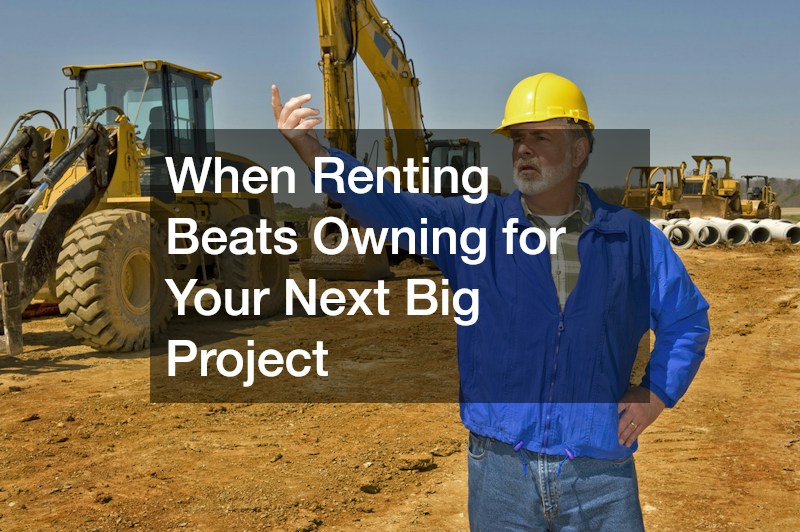
Planning a major construction or renovation project means making dozens of decisions before the first wall goes up, and one of the biggest is whether to buy equipment and space or simply rent it. Ownership can feel like the responsible long-term choice, but it often ties up cash and leaves you stuck maintaining assets you only need for a few weeks. Renting, on the other hand, gives you flexibility, access to specialized equipment, and the ability to scale up or down as your project changes. This article breaks down where renting genuinely beats owning, so you can make smarter financial and logistical decisions for your next big undertaking.
Weighing Heavy Machinery Costs Before You Commit
Buying heavy equipment outright makes sense only if you plan to use it constantly across multiple projects, and for most homeowners or small business owners, that threshold is never reached. A new mid-size excavator can run anywhere from $100,000 to $200,000, and even used models often carry price tags well into five figures. Add in financing costs, and the math rarely favors ownership unless the machine will be earning its keep on job sites week after week. An excavator rental gives you access to the exact machine size you need for grading, trenching, or foundation work without the burden of storage, insurance, or long-term depreciation. Need a compact excavator for a tight backyard job today and a larger model for a commercial foundation next month? Renting lets you match the equipment to the task instead of settling for whatever you already own. There are also hidden costs that ownership brings along for the ride. Routine maintenance, replacement parts, transport logistics, and a secure storage lot all add up over a year, even during stretches when the machine sits idle. Rental agreements typically fold maintenance and repairs into the deal, so a breakdown becomes the rental company’s problem, not an unplanned expense on your books. You pay for the days you actually use the equipment, and when the job wraps up, it is simply returned. That flexibility means no depreciating asset sitting in a lot between projects, no resale headache down the line, and no capital tied up that could otherwise fund the work itself.
Before signing any purchase agreement, run the numbers on what the equipment will actually cost you beyond the sticker price. Ownership means budgeting for maintenance contracts, replacement parts, storage space, insurance, and operator certifications — expenses that can add 20-30% to the base cost annually. Renting folds most of these into a single predictable line item, making it far easier to forecast project expenses upfront. This approach also protects you from the guesswork of predicting future needs. If your project scope changes midstream, you can upgrade or downsize your rental rather than being locked into a machine that no longer fits the job. A six-month excavation project, for example, might start with a compact excavator and later require a larger model once soil conditions or dig depth change. Rental agreements also let you match equipment to seasonal or intermittent demand without absorbing depreciation during downtime. A crane that sits idle for eight months a year still loses value whether you’re using it or not. By renting only when the work calls for it, you avoid paying for capacity you don’t need and free up capital for other parts of the project.
- Renting avoids maintenance costs like hydraulic repairs and engine servicing, which can easily run several thousand dollars per incident on excavators or cranes
- You get access to newer models with better fuel efficiency and safety features, often the current model year, without paying for the upgrade yourself
- Short-term rentals free up capital for materials and labor, keeping cash available for the parts of the project that actually build value
- No need for long-term storage space or transport logistics, since the rental company typically handles delivery and pickup
- Renting lets you match the machine to the job, swapping a mini excavator for a full-size one as site conditions change
- You skip depreciation risk entirely, since a purchased machine can lose 20-30% of its value in the first few years regardless of how much you use it
Managing Job Site Waste Without Buying a Fleet
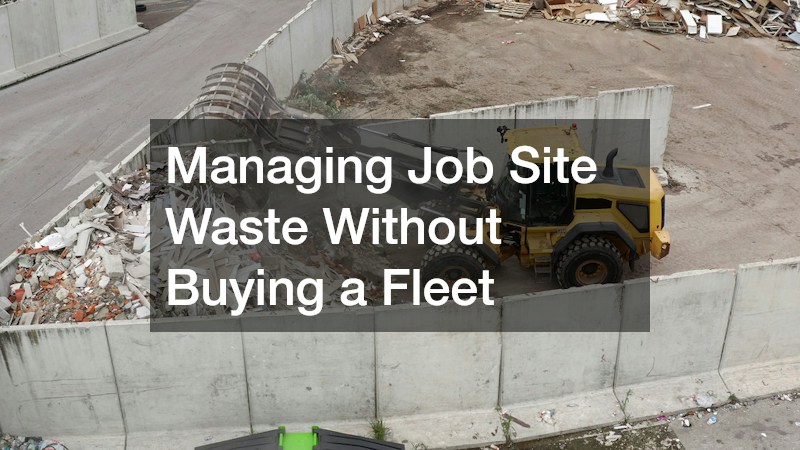
Every renovation or construction project generates debris, and figuring out how to haul it away efficiently is often overlooked until the mess is already piling up. A dumpster rental solves this problem cleanly by giving you a designated container sized to your project, whether that is a small bathroom remodel or a full home teardown. Providers typically offer a range of sizes, so you are not stuck paying for capacity you do not need.
Scheduling matters here too. Most rental companies will deliver and pick up on a timeline that matches your project phases, which keeps your site organized and reduces the safety hazards that come from debris accumulation.
- Choose dumpster size based on project type, not just guesswork
- Ask about weight limits, since overages often carry extra fees
- Confirm placement location to avoid driveway or utility line issues
- Schedule pickup around inspection dates to keep the site presentable
Keeping Crews Comfortable on Remote or Long-Term Sites
When a project stretches across weeks or months, especially in a location without easy access to indoor facilities, worker comfort becomes a real logistical issue. Portable restroom rentals are a practical answer, and they are far more affordable than trying to install or maintain permanent facilities for a temporary job. This is especially true for outdoor builds, land development, or events tied to a larger project timeline.
Beyond convenience, there are also compliance considerations. Many local labor regulations require accessible sanitation facilities on active job sites, and renting ensures you meet those standards without a major upfront investment.
- Standard units work for short-term projects with small crews
- Higher-end units with sinks and lighting suit longer-term sites
- Rental companies typically handle servicing and cleaning on a schedule
- Placement should consider both worker access and neighbor visibility
Lifting and Placing Materials Safely at Height

Any project involving multi-story construction, heavy steel, or large HVAC units eventually runs into the same challenge: how do you get materials up where they need to go safely? This is where crane services become essential, and renting one for the specific days you need it is almost always more economical than trying to own or operate one yourself. Cranes require certified operators, routine inspections, and significant transport logistics, all of which are handled by the rental provider.
Timing your crane rental correctly can also save money. Coordinating the lift with material delivery schedules means you are not paying for idle time while everything else on site catches up.
- Confirm ground conditions can support the crane’s outriggers
- Schedule lifts early in the day when wind conditions are typically calmer
- Verify permits are in place if the crane will extend over public property
- Coordinate with other trades so the lift does not stall other work
Deciding Between Renting and Building New Space
If your big project involves expanding a business rather than renovating a home, the rent versus own question extends to real estate itself. Searching for commercial property for lease often makes more financial sense than purchasing land and constructing a new building, especially if your business model or location needs might shift in the next few years. Leasing preserves capital that can instead go toward equipment, staffing, or inventory.
It also reduces risk. Property values fluctuate, and being locked into an owned building in a declining area is a very different problem than simply not renewing a lease and relocating to a better spot.
- Leasing often includes maintenance responsibilities handled by the landlord
- Shorter commitment periods allow easier pivoting as your business grows
- Upfront costs are dramatically lower than a property purchase
- Location flexibility lets you test markets before committing long-term
Choosing Between Custom Builds and Standard Construction
For homeowners planning a ground-up project, deciding how much customization you actually need is a critical early step. A custom home builder can create a layout perfectly suited to your lifestyle, but that level of personalization comes with a higher price tag and longer timeline than a standard build. Understanding your must-haves versus nice-to-haves early on prevents costly design changes later.
It helps to walk through your daily routines before finalizing plans. Thinking through how your family actually uses space, rather than what looks good on a floor plan, leads to a home that functions well for years rather than one that photographs well but frustrates you daily.
- List non-negotiable features before touring any model homes
- Ask about allowances for finishes to avoid mid-project sticker shock
- Request a realistic timeline that accounts for permitting delays
- Compare energy efficiency options, since these affect long-term costs
Repairing Underground Lines Without Excessive Digging
Plumbing issues below ground used to mean tearing up yards or driveways just to locate the problem, but modern methods have changed that significantly. Sewer cabling is a technique that clears blockages and helps diagnose pipe conditions without extensive excavation, saving both time and landscaping costs. It is particularly useful for older homes where root intrusion or pipe scaling is a recurring issue.
Knowing when to call for this service can prevent a minor clog from becoming a major sewage backup. Slow drains throughout the house, gurgling sounds, or recurring blockages in the same spot are all signs worth investigating before the problem worsens.
- Recurring clogs in multiple fixtures often indicate a main line issue
- Tree roots are a common cause of blockages in older neighborhoods
- Camera inspections paired with cabling give a clearer diagnosis
- Regular maintenance can extend the life of aging sewer lines
Advancing Construction Speed With Automated Techniques
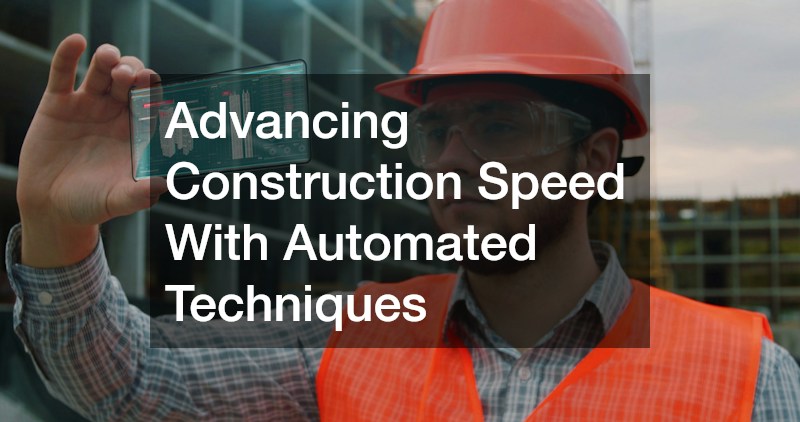
Large scale projects increasingly rely on technology to cut down labor time and improve precision. Robotic fabrication allows components like framing, panels, or even entire wall sections to be manufactured off-site with exact measurements, reducing waste and rework once materials arrive at the job site. This approach is especially valuable for complex designs where manual measurement errors could be costly.
While this technology was once limited to large commercial builders, it is becoming more accessible for mid-size projects too. Working with a contractor who understands these methods can shorten your overall timeline significantly compared to traditional on-site fabrication alone.
- Off-site fabrication reduces weather-related delays
- Precision cutting minimizes material waste
- Components arrive ready for faster on-site assembly
- Quality control checks happen before delivery, reducing rework
Protecting Structures With the Right Roofing Materials
Roofing choices affect a building’s durability far more than most people realize during initial planning stages. Roof metal decking is commonly used in both commercial and residential structures because it offers strength, fire resistance, and a long service life compared to traditional materials. It also pairs well with various insulation systems, which can improve energy efficiency over time.
Choosing the right decking depends on your building’s structural load requirements and regional weather patterns. Areas prone to heavy snow or high winds benefit from decking systems engineered to handle those specific stresses.
- Metal decking resists pests and rot better than wood alternatives
- Installation is typically faster than traditional roofing systems
- Long-term maintenance costs tend to be lower over the building’s life
- Proper fastening is critical for wind uplift resistance
Maintaining Climate Systems for Long-Term Comfort
Whether you are finishing a new build or renovating an existing structure, climate control is not something to leave as an afterthought. AC companies can help you size a system correctly for your space, which prevents the common problem of units that are either too small to keep up or too large and inefficient. Getting this right during the planning phase avoids expensive retrofits later.
Regular maintenance schedules also matter once the system is installed. A properly serviced unit lasts longer and runs more efficiently, which keeps utility costs predictable throughout the life of the building.
- Request a load calculation rather than relying on rough square footage estimates
- Ask about warranty terms before finalizing your system choice
- Schedule seasonal maintenance checks to catch issues early
- Consider zoning systems for larger or multi-story spaces
Deciding where to rent and where to own is not a one-size-fits-all formula, but the pattern is clear once you break a project into its individual pieces. Equipment, sanitation, lifting, and even space itself often make more financial sense as short-term rentals rather than long-term purchases. Take time to map out your project’s full scope, get quotes from multiple providers, and ask direct questions about timelines and costs before committing either way. The right mix of renting and owning will keep your project moving forward without draining resources you need for the work itself.
