
The hidden costs of a reactive maintenance strategy are often what ultimately sink a growing enterprise. For decades, many fleet managers and facility directors have operated under the “run-it-until-it-breaks” mentality. On paper, avoiding routine service appointments might look like a short-term savings strategy. In reality, it is a financial ticking time bomb. When a critical piece of machinery fails unexpectedly, the cost of the replacement part and the technician’s labor is only the tip of the iceberg. The true financial hemorrhage comes from the cascading indirect costs: idled workers who cannot perform their duties, missed production deadlines, expedited shipping fees for emergency parts, damaged client relationships, and the heightened risk of workplace injuries.
Transitioning from a reactive, firefighting approach to a proactive, scheduled care strategy is the single most effective way to extend asset lifespans, ensure worker safety, and dramatically cut long-term operational costs. Preventative maintenance is not just about keeping things clean; it is about predicting failures before they happen and addressing wear and tear during planned downtime, rather than during a critical operational window.
This comprehensive guide will detail the foundational pillars of a world-class preventative maintenance program. By mastering scheduling, empowering your operators, obsessing over fluid management, protecting delicate electrical systems, and knowing precisely when to outsource specialized tasks, you can transform your maintenance department from a cost center into a major driver of operational profitability.
Establish a Calendar- and Usage-Based Preventive Schedule
The bedrock of any successful maintenance program is a rigid, data-driven schedule. Relying on memory, whiteboards, or fragmented paper logs is a guaranteed path to missed service intervals and catastrophic equipment failures. To save money, you must systemize your approach so that maintenance becomes an unshakeable operational rhythm rather than an afterthought.
The first step in establishing this schedule is conducting a comprehensive fleet-wide health audit. You cannot effectively maintain what you do not fully understand. Every single asset—from the smallest pallet jack to the largest earthmover—must be cataloged. For organizations lacking the internal bandwidth to conduct this initial deep dive, utilizing broad equipment repair services to perform a baseline diagnostic on all your assets can provide the necessary foundation. This audit should record the make, model, age, current condition, and historical service records of every machine.
Once your inventory is established, you must migrate this data into a Computerized Maintenance Management System (CMMS). A CMMS takes the guesswork out of maintenance by automating work orders based on two primary triggers: calendar time and usage metrics.
-
Calendar-Based Triggers: These are tasks that must be performed regardless of how often a machine is used. Rubber hoses degrade over time even if a machine sits idle. Coolant loses its anti-corrosive properties after a certain number of months. A CMMS will flag these assets for inspection based strictly on the date.
-
Usage-Based Triggers: These triggers rely on telematics, hour meters, or odometer readings. Changing the oil on a heavy-duty engine every six months makes no sense if it has only run for ten hours; conversely, waiting six months is disastrous if it runs twenty-four hours a day. Usage triggers ensure maintenance happens exactly when the mechanical wear demands it.
Furthermore, a strategic schedule takes advantage of operational seasonality. Smart managers align their major overhauls with their industry’s natural downtimes. For instance, scheduling comprehensive agricultural machine repairs during the freezing winter months ensures that planters and harvesters are in peak condition before the frantic pace of the spring planting season begins, thereby avoiding premium emergency rates when mechanics are in highest demand.
Mandate and Standardize Daily Operator Pre-Use Inspections
While your maintenance technicians are the ultimate caretakers of your machinery, your equipment operators are your daily frontline defense against catastrophic failures. A technician might only see a specific machine once a month; the operator is in the seat every single day. Empowering and requiring operators to perform standardized pre-use inspections is a zero-cost strategy that yields massive financial returns.
Implementing a mandated walkaround is about creating a culture of ownership and accountability. Operators must understand that they are not just drivers; they are the preliminary diagnosticians of their equipment. To make this effective, management must provide specific, standardized, and easily accessible checklists for every class of machinery.
A robust daily inspection checklist should always include:
-
Visual Fluid Checks: Looking beneath the machine for fresh puddles of oil, coolant, or hydraulic fluid. Catching a slow leak before it runs dry saves engines and pumps from seizing.
-
Tire and Track Integrity: Checking for proper inflation, deep cuts, uneven wear patterns, or missing lug nuts. A blowout on a loaded vehicle can cause fatal accidents and massive structural damage.
-
Safety Mechanics: Testing the horn, backup alarms, strobe lights, and emergency stop buttons.
-
Mechanical Linkages: Looking for frayed cables, cracked belts, and loose bolts on major pivot points.
Crucially, you must foster a “blame-free” reporting culture. If an operator fears reprimand for finding a fault that halts their workflow, they will simply ignore the fault. When operators are encouraged to report minor anomalies immediately, you intercept disasters. For example, if an operator reports a slightly frayed lift belt during their morning check, you can replace it for a few dollars. If they ignore it, the belt snaps under a heavy load, dropping inventory and resulting in an incredibly expensive forklift repair bill, alongside potential workers’ compensation claims. Similarly, a quick daily check of hitches, safety chains, and lighting wiring harnesses can save a logistics company from needing an emergency utility trailer repair while stranded on the shoulder of a busy interstate.
Prioritize Contamination Control and Fluid Management

If the engine is the heart of your machinery, fluids and lubricants are the lifeblood. More than half of all premature mechanical failures can be directly traced back to contaminated fluids or improper lubrication. Treating oil, grease, and hydraulic fluids with extreme care is one of the most proactive ways to protect your capital investments.
Many maintenance programs simply top off fluids when they get low or change them at standard intervals without ever investigating the condition of the fluid itself. Implementing a fluid analysis program elevates your maintenance strategy from preventative to predictive. By taking regular samples of engine oil, coolant, and transmission fluid and sending them to a lab, you gain microscopic insight into the internal wear of your machinery.
-
Spectroscopy: Lab analysis can detect microscopic metal shavings—like iron, copper, or aluminum—suspended in the oil. A sudden spike in copper might indicate that a specific bearing is beginning to fail, allowing you to replace a fifty-dollar part before it destroys a ten-thousand-dollar engine block.
-
Viscosity Breakdown: Heat and shear forces break down the molecular structure of oil over time. Analysis tells you exactly when the oil has lost its protective properties, allowing you to optimize your drain intervals.
-
Contamination Identification: Labs can detect the presence of water, silica (dirt), or unburned fuel in the oil, alerting you to failing seals, breached air filters, or bad fuel injectors.
Contamination control also extends to how you store your bulk fluids. Storing drums outside where they are subjected to wide temperature swings allows moisture to condense inside the barrels. Pumping contaminated fluid into a pristine system defeats the purpose of the maintenance. Maintaining clean, filtered fluid environments and utilizing dedicated, sealed transfer jugs is the number one way to avoid a catastrophic and costly hydraulic cylinder repair on your heavy earthmoving equipment.
Beyond liquids, proper greasing of pivot points, bushings, and axles is mandatory. Grease acts as a barrier against dirt and water while reducing friction. Transitioning to over-the-road vehicles, consistent and scheduled axle and wheel bearing lubrication is the absolute best defense against unexpected friction fires and the subsequent need for severe roadside semi trailer repair.
Implement a Rigorous Battery and Electrical Systems Care Plan
Electrical systems and batteries are frequently the most neglected components of industrial machinery. Because they lack moving parts, they are often ignored until the moment a machine refuses to start. However, electrical gremlins are silent killers of productivity, and replacing massive industrial batteries or rewiring corroded harnesses takes a heavy toll on an annual maintenance budget.
Industrial batteries, particularly the massive lead-acid variants used in material handling and backup power, require strict, disciplined care to achieve their maximum lifespan. The chemistry of a deep-cycle battery dictates that it must be treated with respect; otherwise, sulfation—a process where lead sulfate crystals harden on the battery plates—will permanently destroy its capacity to hold a charge.
A rigorous electrical care plan must include:
-
Strict Charging Cycles: Batteries should not be opportunity-charged (plugged in for short 15-minute bursts during breaks). They should be allowed to discharge to an appropriate level (usually around 20%) and then fully recharged and allowed to cool.
-
Consistent Watering: Lead-acid batteries consume water during the charging process. If the water level drops below the lead plates, the plates will oxidize and ruin the battery. Establishing a strict weekly watering schedule using only distilled water is paramount.
-
Terminal Cleaning and Coating: Corroded terminals create electrical resistance, forcing the alternator or charger to work twice as hard, generating excess heat. Terminals should be cleaned with a neutralizing solution and coated with dielectric grease to prevent future oxidation.
-
Wiring Harness Inspections: Vibration, heat, and rodents can severely damage wiring. Harnesses must be regularly inspected for chafing, dry rot, and exposed copper.
Consider the impact of this diligence on facility transport vehicles. By implementing strict charging, equalizing, and watering cycles, your internal batteries will last years longer, meaning you will rarely have to absorb the high margins of calling out a local golf cart repair company to replace a fleet of prematurely dead batteries in your personnel carriers. Apply this exact same logic to your facility’s backup power systems. Routine visual inspections and scheduled load tests—where the system is forced to run at maximum capacity to prove its viability—ensure that you won’t be scrambling for emergency generator repairs in the dark during a critical, facility-wide blackout.
Outsource High-Risk and Highly Technical Inspections
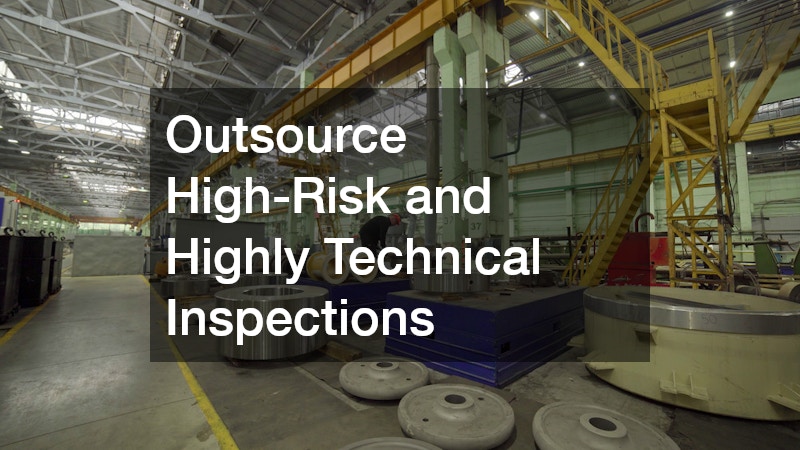
A crucial part of saving money on maintenance is understanding the limitations of your internal team. While a robust internal maintenance department can handle daily servicing, fluid changes, and minor mechanical fixes, assigning highly technical, regulated, or high-risk tasks to generalist mechanics is a recipe for disaster. Knowing when to outsource is a sign of mature fleet management.
Outsourcing specialized tasks protects your company from massive liability, ensures compliance with strict federal and state safety regulations, and often saves money by getting the job done correctly the first time. When a generalist attempts a highly specialized repair, they often take twice as long and may miss critical calibration steps, leading to a repeat failure.
To effectively manage external vendors, facility managers should establish strict Service Level Agreements (SLAs). An SLA defines the expected response times, the scope of the preventative maintenance to be performed, and the cost structures for emergency call-outs. This transforms a chaotic, reactive vendor relationship into a predictable, budgeted partnership.
Certain categories of equipment should almost always be relegated to specialized external partners:
-
High-Voltage Systems: Anything involving facility-level power distribution or massive electrical transformers carries a high risk of arc flash and electrocution. These require specialized personal protective equipment (PPE) and certifications.
-
Emissions and Calibration: Modern diesel engines are heavily regulated by environmental agencies. Calibrating diesel particulate filters (DPF) and selective catalytic reduction (SCR) systems requires proprietary software that is often only available to authorized dealers.
-
Overhead Lifting and Rigging: Anything involving extreme overhead weight, such as cable tensioning, boom structural integrity checks, and load-limit sensor calibration, must be handled by a certified crane repair company to meet stringent OSHA standards and prevent fatal workplace accidents.
Similarly, the backbone of your facility’s continuous operation cannot be left to chance or generalist knowledge. Establishing a multi-year, ironclad contract for comprehensive industrial generator repair maintenance is vastly more cost-effective than suffering the financial ruin of lost data, spoiled inventory, or halted production lines due to a sustained power failure that your internal team lacked the specific diagnostic tools to fix.
Conclusion
The evolution from reactive firefighting to a culture of preventative, data-driven maintenance requires a fundamental shift in how an organization views its mechanics and its machinery. Maintenance must never be viewed as a sunk cost or a necessary evil; rather, it is a high-yield investment that protects capital assets, ensures the safety of the workforce, and guarantees the reliability of operations.
By implementing strict calendar and usage-based scheduling, you take control of your machinery’s lifecycle. By mandating operator inspections, you multiply your diagnostic capabilities at zero extra cost. Obsessive fluid management and rigorous electrical care prevent the most common and expensive internal failures. Finally, by strategically outsourcing the most complex and dangerous tasks, you mitigate corporate liability and ensure regulatory compliance. The journey to saving money on equipment repairs does not require a massive immediate capital expenditure. It begins with organization and discipline. Pick your most critical, expensive piece of machinery and implement a structured daily inspection and fluid tracking checklist starting tomorrow morning. The compounding financial benefits will rapidly follow.
