

Commercial relocations represent a significant operational milestone for any growing enterprise. Moving an entire organization from one physical location to another involves far more than simply packing office supplies and renting transport vehicles. It requires rigorous project management, strict financial discipline, legal compliance, vendor oversight, and clear internal communication across all corporate departments. When executive leadership teams approach an enterprise relocation without a detailed, structured roadmap, unexpected delays, substantial budget overruns, and severe productivity losses can quickly compound across the organization.
A well-planned commercial move minimizes operational downtime, keeps team members productive, and ensures that the company maintains a polished, professional image for clients throughout the entire transition. Whether an organization is expanding into a larger corporate facility, consolidating regional offices, or upgrading to a modern workspace layout, following a systematically structured checklist helps business leaders manage every single phase of the process efficiently. From initial budgeting to final facility audits, careful preparation makes the difference between an expensive operational headache and a smooth corporate expansion.
Establishing a clear timeline is the cornerstone of any successful enterprise move. Most corporate relocations require anywhere from six to twelve months of active planning and execution depending on the size of the company, the complexity of the equipment, and the extent of site renovations. By breaking the relocation process down into logical, manageable phases, facility managers and operations directors can delegate tasks effectively, track vendor progress, and keep project costs strictly within approved budget parameters.
Phase 1: Strategic Financial Planning and Fiscal Preparation
Successful corporate relocations begin many months before any office furniture is moved. The initial phase focuses on establishing a realistic master budget, assembling a dedicated internal relocation committee, and thoroughly evaluating the financial impact of the physical transition. Corporate leadership must account for direct expenses such as lease security deposits, structural buildouts, and freight transport, alongside indirect costs such as temporary productivity dips and employee downtime during setup.
Companies often benefit from consulting a certified tax prep business early in the planning process. Professional tax advisers help corporate leadership understand how capital improvements, lease termination penalties, and moving costs impact overall state and federal tax liabilities. Classifying these expenses accurately allows firms to maximize allowable tax deductions, apply depreciation schedules properly, and time major capital expenditures within the most advantageous fiscal quarters.
Setting up a comprehensive budget tracking system early on prevents costly financial surprises later. The relocation committee should meet on a regular weekly basis to compare projected expenses against actual vendor bids and historical cost benchmarks. Establishing clear spending limits and maintaining a dedicated contingency reserve fund ensures that project managers can address unforeseen site modifications or emergency requirements without delaying the master project timeline.
Phase 2: Securing Municipal Approvals and Regulatory Clearances
Every municipality enforces specific zoning laws, structural building codes, and public safety ordinances that govern commercial property updates and commercial site buildouts. Long before contractors arrive on site to commence construction, project leaders must identify all local approval requirements for planned structural renovations, electrical rewiring, plumbing updates, and exterior property alterations.
Obtaining a valid building permit from local municipal authorities is a critical legal requirement for any major interior buildout, wall removal, or structural alteration. Operating without necessary municipal approvals can result in expensive stop-work orders, steep financial penalties, and multi-month project delays that throw off the entire move schedule. Facilities managers must work closely with certified architects and licensed general contractors to ensure all engineering blueprints comply fully with current regional building codes before submitting formal applications.
Beyond municipal regulatory requirements, commercial tenants must carefully review property management guidelines at both their current and future facilities. Building managers enforce strict operational protocols regarding loading dock reservations, freight elevator availability, noise restrictions during business hours, and trash disposal during buildout phases. Establishing open communication with property managers prevents scheduling conflicts and protects the firm from unexpected lease violation fees or security deposit forfeitures.
Phase 3: Workforce Management and Risk Mitigation
Managing human capital and institutional risk is just as critical as handling physical assets during a corporate relocation. Relocating a workforce creates temporary operational disruption, alters daily employee commutes, and impacts administrative workflows across departments. A thoughtful communication strategy combined with comprehensive policy updates ensures that staff members remain informed, supported, and safe throughout the transition process.
Many expanding firms choose to partner with specialized hr companies to structure workforce transition plans and update operational policies for the new facility. Human resource professionals assist leadership teams with drafting timely employee relocation notices, modifying remote work options during move week, and establishing clear attendance expectations for the initial opening weeks. Maintaining transparent, proactive communication helps preserve team morale, reduces workplace stress, and minimizes voluntary staff turnover during periods of corporate change.
Simultaneously, corporate risk officers must review existing insurance policies to maintain continuous liability coverage across both physical locations. Updating workers compensation insurance is essential when opening a new office, as changing job duties, building layouts, or municipal jurisdictions can alter risk classifications and overall premium calculations. Verifying that all insurance coverage is active prior to employee move-in protects the organization against unexpected workplace safety liabilities during the physical transition.
Phase 4: Enhancing Curb Appeal and Site Infrastructure

First impressions matter tremendously when establishing a business presence at a new commercial address. The exterior condition of a corporate building sets the visual tone for visiting clients, prospective investors, commercial partners, and incoming job candidates. Completing exterior site updates well before the official ribbon-cutting ensures the facility looks inviting, professional, and fully accessible from day one.
A clean, well-maintained parking facility is essential for employee convenience, customer access, and overall site safety. Contracting professional parking lot paving services allows organizations to repair asphalt surface cracks, fill dangerous potholes, apply protective sealcoating, and paint bright, clear directional lines. Proper parking area maintenance prevents pedestrian trips, reduces vehicle wear, ensures compliance with accessibility standards, and significantly improves overall commercial property appeal.
Clear exterior branding is equally vital for helping clients, job applicants, and delivery couriers locate the new office without confusion. Installing a high-quality custom sign on the building facade or near the main entrance establishes immediate brand recognition within the local business community. Facilities managers should coordinate installation timelines with local sign ordinances and landlord guidelines to ensure the dimensions, mounting hardware, and illumination comply with municipal standards.
Phase 5: Facility Cleaning and Physical Access Security
Once major exterior structural work is completed, operational teams must focus on detail-oriented facility maintenance and physical security installation. Maintaining clean building surfaces reflects a corporate commitment to quality, while robust physical security safeguards valuable assets, IT equipment, and confidential corporate records.
Clean glass surfaces significantly impact the overall visual impression and ambient environment of a commercial office. Hiring a dedicated vendor for local commercial window cleaning removes accumulated construction dust, hard water spots, grime, and environmental residue from all exterior glass panes. Bright, streak-free windows maximize natural interior sunlight, creating an uplifting workspace environment for employees while presenting a sharp, professional appearance to incoming visitors.
Securing the perimeter against unauthorized access requires updating lock hardware and access points before physical moving day arrives. Partnering with licensed business locksmiths ensures that all main entry doors, private executive suites, server rooms, and storage areas receive rekeyed lock cylinders or modern electronic access controls. Establishing strict key management protocols prevents former building occupants or outside contractors from gaining unmonitored entry into the workspace.
Phase 6: Workspace Design and Interior Furniture Layout
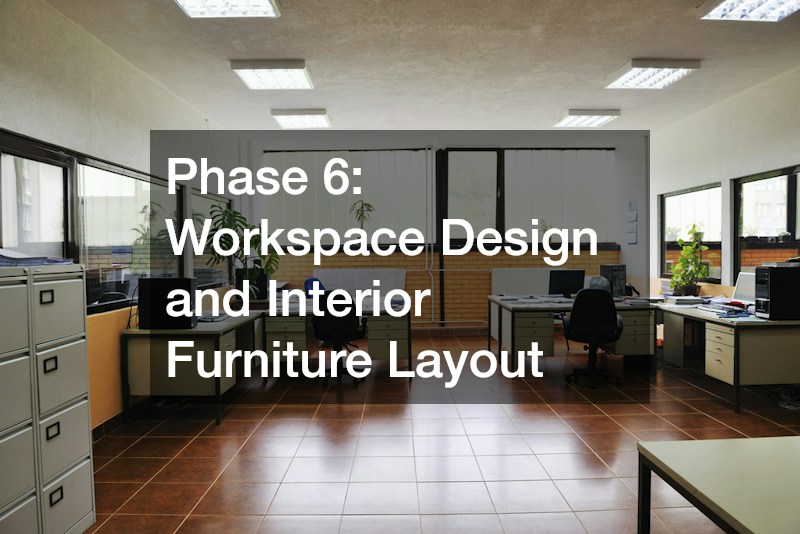
Designing an effective interior workspace layout requires balancing open collaborative areas, private work zones, quiet meeting spaces, and clear walking corridors. Workspace organization directly influences daily employee productivity, cross-departmental communication, and ergonomic comfort. Finalizing spatial floor plans several months in advance ensures that office furniture orders arrive and install without disrupting the broader move timeline.
Modular furniture offers exceptional versatility and scalability for growing modern teams. Assembling ergonomic cubicles allows companies to optimize available floor space, reduce acoustic noise distractions, and establish structured departmental zones. Facilities teams should carefully map out electrical power outlets, network data drops, and primary walkway dimensions prior to assembling partition panels to avoid costly post-installation adjustments.
Interior planning must also account for shared communal spaces, including conference rooms, employee breakrooms, copy stations, and reception lounges. Ensuring that electrical capacity, internet connectivity, and climate control systems match the planned furniture layout prevents operational bottlenecks. Completing all furniture assembly before primary computer systems and servers arrive streamlines the final setup process significantly.
Phase 7: Managing Logistics and Physical Asset Transport
The physical transfer of office furniture, server infrastructure, physical paper archives, and delicate electronic equipment represents the most logistically intense phase of any commercial relocation. Successful execution relies on meticulous inventory tagging, systematic packing procedures, and professional handling of heavy or sensitive items.
Hiring experienced local movers guarantees that office desks, heavy filing cabinets, computer equipment, and specialized machinery move safely to the new site. Professional commercial transport crews possess the specialized equipment, protective padding, and heavy-duty vehicles required to handle large corporate moves efficiently. Scheduling the physical transport over a weekend or during off-peak hours minimizes operational downtime for ongoing client services and internal workflows.
Detailed inventory tracking keeps the moving process orderly, transparent, and manageable. Every box, computer terminal, and office chair should bear a color-coded label identifying its precise destination department and room number at the new site. Systematic labeling allows transport crews to unload items directly into their assigned spots, eliminating post-move chaos and helping staff resume normal work activities as quickly as possible.
Phase 8: Technology Infrastructure and System Activation

Once physical assets arrive at the new facility, operational focus shifts immediately to technology recovery and infrastructure validation. Reopening a corporate office requires testing all network systems, phone lines, and electronic equipment before staff members return to their desks for regular operations.
The internal IT team must conduct thorough network testing immediately following physical equipment placement. Technical staff should verify server connectivity, test wireless access points, confirm incoming phone line routing, and test individual workstation network connections. Addressing technical glitches during a dedicated setup window prevents widespread operational disruptions and frustrating delays on the first official workday.
Facilities managers should conduct comprehensive walk-through inspections to verify that all contractor tasks meet agreed quality standards. Checking electrical outlets, plumbing fixtures, thermostat controls, and door access hardware ensures the environment is safe, comfortable, and fully operational. Any unfinished items or minor installation defects should be logged on a master punch list for prompt contractor resolution before final payments are issued.
Phase 9: Staff Onboarding and Workplace Orientation
Welcoming employees into a new physical workspace requires structured orientation and ongoing support during the first few weeks of occupancy. Even the most seamlessly executed move requires an adaptation period as staff members adjust to new commute routes, building layout, parking arrangements, and local neighborhood amenities.
Providing staff with detailed welcome packages prior to their first day in the new office helps alleviate uncertainty. These packages should include maps of the building, designated parking instructions, security access card usage guides, emergency exit routes, and information about nearby dining options. Conducting brief orientation tours on the morning of arrival helps employees locate rest rooms, break areas, supply closets, and IT support desks quickly.
Gathering feedback from department managers during the initial month of operations allows facilities teams to identify lingering issues or necessary spatial adjustments. Whether fine-tuning temperature settings, adjusting lighting levels, or reallocating storage space, prompt attention to employee feedback creates a supportive work culture and ensures that the new office supports peak operational performance.
Phase 10: Operational Audits and Long-Term Site Management
A commercial relocation provides an excellent opportunity to establish ongoing facility management routines, regulatory review processes, and service agreements. Implementing structured maintenance plans ensures that security systems, outdoor grounds, and interior workspaces remain in top condition long after move-in day is complete.
Establishing long-term contracts with trusted local service providers helps prevent unexpected facility breakdowns and operational disruptions. Scheduled maintenance protects capital investments, maintains property value, and ensures a safe, clean, and welcoming environment for staff and clients alike. Operational leaders should schedule periodic reviews of facility maintenance schedules to ensure service levels continue to meet corporate standards.
Maintaining centralized digital records of all vendor contracts, equipment warranties, and municipal compliance permits ensures seamless facility management going forward. By organizing vendor agreements and building documents in an accessible digital repository, operational leaders can track maintenance schedules, manage contract renewals, and evaluate property expenses efficiently for years to come.
