
Your roof is the most critical protective layer of your property. Whether you are managing a sprawling industrial warehouse or a cozy suburban bungalow, the integrity of that “lid” determines the safety of everything—and everyone—underneath it. However, when the clouds clear after a bout of severe storm damage, property owners often find themselves in a frantic rush to find help.
This urgency often leads to “panic-hiring.” In the wake of a hailstorm or high winds, “storm chasers”—contractors who move from town to town following weather patterns—often saturate the local market. They offer low prices and immediate start dates, but they often lack the long-term accountability required for such a major investment. To ensure your property is protected, you need a reliable roofing contractor who isn’t just looking for a quick paycheck, but who understands the specific architectural and climatic needs of your region.
Vetting local roofing companies requires more than just a quick Google search. It requires a deep dive into their business practices, their insurance coverage, and their technical expertise.
Here are the seven essential questions you must ask—and the context behind why they matter—before signing a contract for roofing services.
1. Are You Licensed, Bonded, and Insured in This Specific State?

This is the non-negotiable first step. A legitimate local roof repair service should have no problem providing physical or digital copies of their licensing and insurance certificates. If a contractor hesitates or claims “it’s back at the office,” consider that a massive red flag.
Why Insurance is Your Safety Net
- General Liability Insurance: This protects your property. If a contractor accidentally drops a bundle of shingles through your skylight or a heavy ladder cracks your siding, their liability insurance covers the repairs. Without it, you might find yourself in a legal battle to get your property fixed.
- Workers’ Compensation: This is the most vital piece of the puzzle. Roofing is statistically one of the most dangerous professions. If a worker is injured on your property and the contractor doesn’t carry workers’ comp, you—the property owner—could potentially be held liable for their medical bills and lost wages.
The Importance of Being “Bonded”
Being “bonded” means the company has purchased a surety bond. This acts as a guarantee that they will perform the work as outlined in the contract. If they disappear halfway through the job or fail to pay their suppliers (which could result in a lien against your house), the bond provides a pool of money to compensate you. Always verify that their license is active and specifically covers the scale of your project, whether it’s a small residential roofing job or a massive commercial roofing installation.
2. Do You Have a Permanent, Local Physical Office?
In the digital age, it’s easy to look “local” with a targeted ad and a temporary PO Box. However, trustworthy local roofing companies have deep roots in the community. They have a physical office you can visit, a local warehouse for materials, and a local phone number.
The “Tailgate Warranty” Risk
In the industry, we call it a “tailgate warranty”—the warranty lasts only as long as you can see the contractor’s tailgate driving down the street. If you experience a leak six months after the job is finished, you need to know that the company will still be there to honor their workmanship guarantee.
Contractors who operate solely out of a truck with out-of-state plates are often gone as soon as the “storm season” ends. By hiring a truly local roofing contractor, you are ensuring that if a problem arises during a future bout of storm damage, you have a neighbor you can call to make it right.
3. What is Your Experience with My Specific Roof Type?
Not all roofs are created equal. The skill set required for a flat TPO membrane on a commercial building is vastly different from the precision needed for a residential slate roof.
The Rise of Metal Roofs
If you are interested in the longevity and energy efficiency of metal roofs, you must specifically look for metal roofing companies. Metal is a premium material that requires specialized tools, specific folding techniques for standing seams, and an understanding of thermal expansion and contraction.
A general shingle roofer might claim they can do it, but “learning on the job” at your expense can lead to noisy roofs, leaks at the fasteners, and a voided material warranty. Always ask to see a portfolio of completed projects that match your specific material and architectural style.
4. How Do You Handle Unexpected Damage Found During Tear-Off?
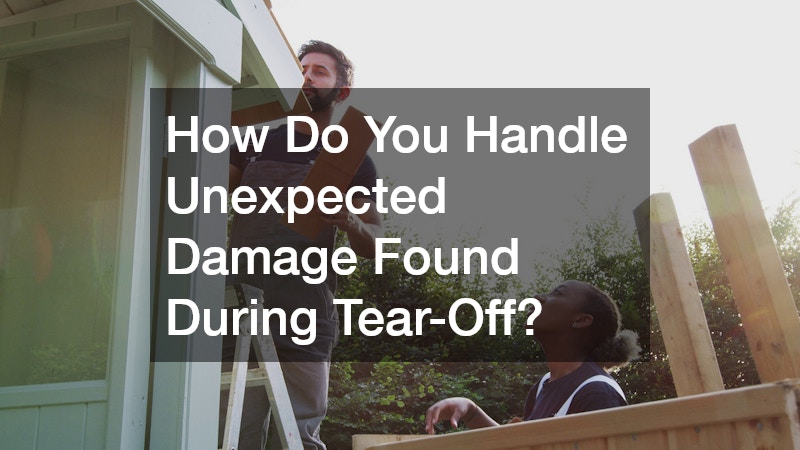
When a roofing contractor inspects your home, they are looking at the surface—the shingles or the outer membrane. However, the “skeleton” of your roof is the decking (the wood underneath).
Often, once the old materials are stripped away, crews find rotted plywood, mold, or structural sagging caused by years of slow leaks or previous storm damage that wasn’t visible from the ground.
Transparency is Key
Ask the contractor: “What is your process for documented change orders?”
A professional local roof repair service will:
- Stop work on that section immediately.
- Take clear photographs of the damaged wood or structure.
- Contact you with an itemized cost for the extra materials and labor.
- Wait for your written approval before “burying” the problem under new shingles.
You should never hire someone who simply “covers it up” to stay on schedule. That rotted wood will eventually fail, causing your new roof to sag or leak prematurely.
5. What Does Your Long-Term Roof Maintenance and Repair Plan Look Like?
A roof is not a “set it and forget it” feature of a building. To maximize the lifespan of your investment—especially with expensive commercial roofing—you should ask if the contractor offers a recurring roof maintenance and repair program.
The Value of Preventative Care
Think of a roof like a car; you wouldn’t drive 100,000 miles without an oil change. Regular inspections (typically twice a year, in spring and fall) allow pros to catch small issues before they become disasters. This includes:
- Clearing debris from “valleys” where water collects.
- Checking the seals around vents, chimneys, and skylights.
- Ensuring gutters are flowing freely to prevent ice dams.
- Tightening loose fasteners on metal roofs.
A contractor who emphasizes maintenance is a contractor who cares about the long-term health of your building, not just the initial big-ticket sale.
6. Can You Explain Your Warranty in Plain English?
Warranty talk can be intentionally confusing. To protect yourself, you need to understand that there are actually two different protections at play when you invest in roofing services.
The Manufacturer’s Warranty
This warranty is typically offered by the company that manufactured the shingles or metal panels, such as GAF or Owens Corning. It specifically covers defects in the material itself, including issues like premature de-granulation of shingles. This means that if you experience a failure in the product within the warranty period due to manufacturing defects, you can seek coverage for repairs or replacements. It’s important to read the fine print, as some warranties may have specific limitations or conditions that apply. Additionally, maintaining proper installation and care can help ensure the warranty remains valid. Always keep your warranty documents and receipts in a safe place for reference.
To enhance your understanding, it’s beneficial to familiarize yourself with the different types of warranties available, such as limited lifetime warranties versus longer limited warranties. Manufacturers may provide guidelines on maintenance and inspection schedules, which can help prevent issues and uphold the warranty. Additionally, if you plan to sell your property, having this warranty can add value and provide assurance to potential buyers. Regular communication with your contractor about warranty terms can also help resolve any uncertainties.
The Workmanship Warranty
This is provided by the roofing contractor. It covers the installation. This is actually the more important warranty because the vast majority of roof failures are caused by improper installation, not faulty materials.
Crucial Tip: Many homeowners are shocked to find that if a roof is installed incorrectly (e.g., nails placed in the wrong spot or a lack of proper ventilation), the manufacturer will void their material warranty. This is why hiring certified local roofing companies that are “preferred installers” for specific brands is so important. It ensures the manufacturer will stand behind the product because they trust the person who put it on.
7. Who Will Be on the Job Site to Manage the Crew?
Communication is the “make-or-break” factor of any home improvement project. Many large companies sell you on a project using a polished salesperson, but once the work begins, they outsource the labor to a third-party crew you’ve never met. This can lead to misunderstandings, delays, and subpar work quality. That’s why it’s crucial to establish clear lines of communication from the start. Homeowners should seek a company that values transparency and consistently updates them on the project’s progress. Effective communication fosters trust, ensuring that your vision is understood and executed. Engaging directly with the crew can also enhance collaboration, leading to a smoother and more satisfying renovation experience. Remember, your home is a significant investment, and you deserve to be kept in the loop throughout every phase of the project.
The Role of the Project Manager
Ask if there will be a dedicated project manager or foreman on-site during the entire installation. You need a point of contact who can answer questions about:
- The Timeline: When will the tear-off be finished?
- The Weather: What is the plan if an unexpected rainstorm hits while the roof is open?
- The Cleanup: Will they use a magnetic sweeper to pick up the thousands of nails that fall into the grass? (This is vital for the safety of children and pets).
A professional company providing residential roofing or commercial roofing will have a clear chain of command and a high standard for site cleanliness.
The Hidden Costs of Choosing the “Cheapest” Bid
It is tempting to go with the lowest estimate, especially when insurance payouts for storm damage are involved. However, in the roofing world, you truly get what you pay for. A “cheap” bid often means the contractor is:
- Cutting corners on high-quality underlayment or ice-and-water shields.
- Hiring unskilled labor with no training.
- Lacking the proper insurance puts the risk on you.
- Using “seconds” or lower-grade materials that won’t last 10 years, let alone 30.
By focusing on these seven questions, you shift the conversation from “How much?” to “How well?”
Understanding Different Roofing Needs
Residential Roofing: Aesthetics Meet Function
For homeowners, the roof is a design statement. Whether you choose traditional shingles or modern metal roofs, the goal is to balance curb appeal with storm resistance. Your local roof repair service should be able to guide you on which colors and styles will help with your home’s resale value while providing the best protection against local weather patterns.
Commercial Roofing: Durability and ROI
For business owners, a roof is a functional asset. Commercial roofing systems like EPDM, TPO, or PVC are designed for large, flat surfaces. These require a roofing contractor who understands specialized welding and drainage systems. A failure here doesn’t just mean a leak; it means potential damage to inventory, equipment, and sensitive electronics, not to mention potential liability for slip-and-fall accidents inside the business.
Why Metal is Gaining Ground
While once reserved for barns and warehouses, metal roofing companies are now seeing a surge in residential demand. Why?
- Longevity: A well-installed metal roof can last 50+ years.
- Efficiency: Metal reflects solar radiant heat, which can reduce cooling costs by 10-25%.
- Sustainability: Most metal roofs are made from recycled content and are 100% recyclable at the end of their life.
Final Thoughts: Your Roof, Your Responsibility

At the end of the day, a roofing contractor is a partner in your property’s long-term health. Don’t be afraid to be the “difficult” client who asks too many questions. A reputable professional will appreciate your diligence because they are proud of their work and their credentials.
Whether you need a quick local roof repair service to fix a minor leak or a complete overhaul after significant storm damage, the quality of the finish depends entirely on the quality of the vetting process. Protect your home, protect your business, and protect your wallet by choosing from the best local roofing companies available.
