Preparing a commercial construction site is a complex process that requires careful planning, coordination, and the right combination of services. Before any building can begin, the land must be cleared, debris must be managed, materials must be transported, and the site must be properly graded and secured. Each step plays a critical role in ensuring the project moves forward efficiently, safely, and within budget.
From initial clearing to final site preparation, multiple specialized services work together to transform raw land or outdated structures into build-ready environments. Understanding these essential services helps developers, contractors, and project managers streamline operations and avoid costly delays.
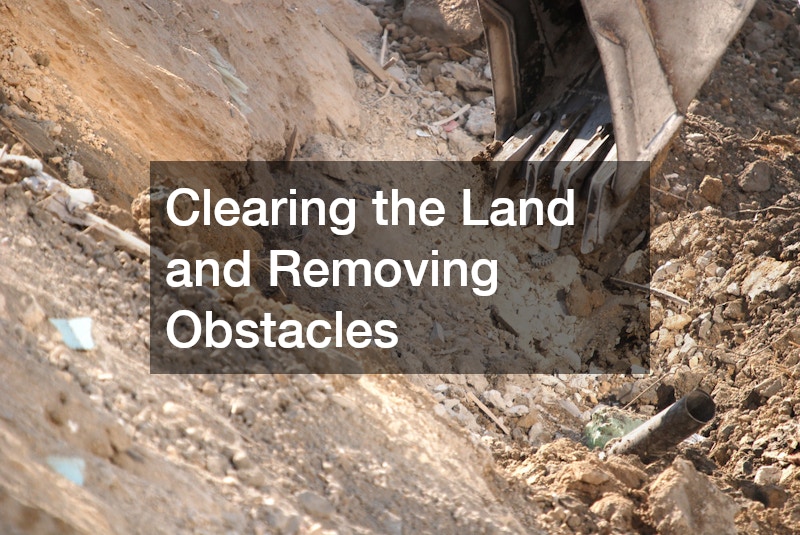
Clearing the Land and Removing Obstacles
The first step in preparing any commercial site is clearing the land of natural obstacles. Overgrown vegetation, large trees, and dense brush can prevent access to the site and interfere with construction plans. This is where local tree removal becomes a key service.
Removing trees and vegetation not only creates space for development but also improves visibility and accessibility for crews and equipment. Professional clearing teams use specialized equipment to safely remove trees, grind stumps, and prepare the ground for the next phase of work. Proper clearing also helps prevent future issues, such as root systems interfering with foundations or underground utilities.
In addition to improving safety, this step allows engineers and planners to accurately assess the land. A cleared site makes it easier to identify grading needs, drainage patterns, and potential challenges that could impact construction.
Demolition and Structural Removal
Once the land is cleared, the next step often involves removing existing structures. Whether it’s an old building, pavement, or other infrastructure, demolition companies play a crucial role in preparing the site for new construction.
Demolition requires more than simply tearing down structures. It involves careful planning to ensure safety, proper disposal of materials, and compliance with environmental regulations. Skilled teams assess the structure, identify hazardous materials, and use controlled methods to dismantle it efficiently.
This phase sets the foundation for everything that follows. A properly executed demolition ensures the site is free of obstructions and ready for grading and construction. It also helps minimize risks, such as structural instability or leftover debris that could interfere with new work.
Managing Waste and Debris Efficiently
Construction and demolition generate large volumes of waste that must be handled properly. Commercial dumpster rentals provide a practical solution for managing debris during site preparation.
Having designated containers on-site allows crews to dispose of materials quickly and keep the work area organized. This improves efficiency and reduces safety hazards caused by scattered debris. Dumpsters can be used for a variety of materials, including wood, concrete, metal, and general waste.
Effective waste management also helps projects stay on schedule. When debris is removed promptly, crews can move freely and focus on their tasks without interruptions. Additionally, proper disposal practices ensure compliance with local regulations and environmental standards.
Recycling and Sustainable Material Handling
Sustainability is becoming increasingly important in construction. Instead of sending all debris to landfills, many projects incorporate scrap recycling to recover valuable materials and reduce environmental impact.
Recycling services sort and process materials such as metal, concrete, and wood, allowing them to be reused in future projects. This not only reduces waste but also lowers disposal costs and supports environmentally responsible practices.
A local steel recycling service is especially valuable during demolition and site preparation. Steel components from old structures can be collected, processed, and reintroduced into the supply chain. This reduces the need for new raw materials and contributes to a more sustainable construction process.
By integrating recycling into site preparation, contractors can improve efficiency while meeting environmental goals.
In addition to cost savings and waste reduction, recycling efforts also help projects align with increasingly strict environmental regulations and sustainability standards. Many municipalities and governing bodies now encourage or require construction sites to divert a portion of their waste away from landfills. Incorporating recycling early in the process helps contractors stay compliant and avoid potential fines or project delays.
Another advantage is the positive impact on a company’s reputation. Developers and contractors that prioritize sustainability are often viewed more favorably by clients, investors, and the community. This can lead to more opportunities, especially as green building practices continue to gain traction across the industry. Projects that incorporate recycled materials may also qualify for certifications or incentives, further increasing their value.
Efficient sorting systems on-site can significantly improve recycling outcomes. Separating materials at the source—such as metals, concrete, and wood—reduces contamination and increases the likelihood that these materials can be reused. This requires proper planning, designated areas for different materials, and training for crews to follow best practices.
Technology is also enhancing recycling efforts. Advanced processing facilities can now break down materials more effectively, turning what was once considered waste into reusable resources. For example, crushed concrete can be repurposed for road base or fill material, while recycled metals can be used in new construction without compromising quality.
By making recycling a standard part of site preparation, contractors not only reduce environmental impact but also create a more efficient and forward-thinking operation that supports long-term sustainability goals.
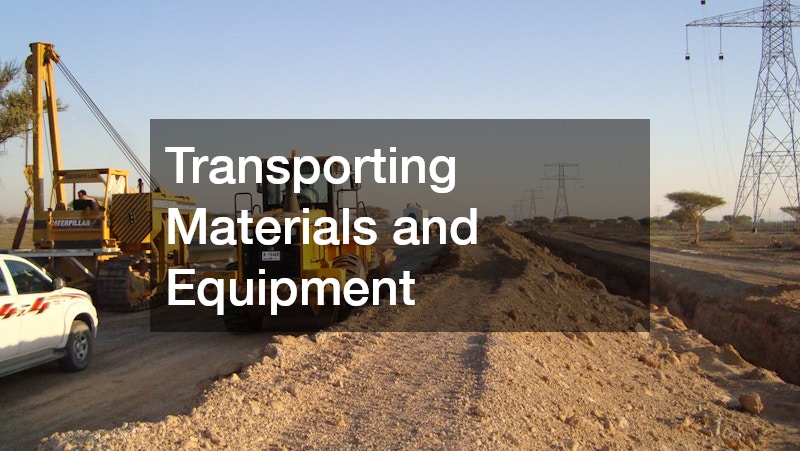
Transporting Materials and Equipment
Efficient transportation is essential for moving materials, equipment, and debris to and from the site. A trailer is commonly used to haul tools, machinery, and materials, making it a versatile asset in site preparation.
Trailers allow crews to transport heavy loads safely and efficiently, reducing the need for multiple trips and saving time. They are particularly useful for moving equipment between job sites or delivering materials needed for specific phases of construction.
In addition to general transport, rock hauling plays a critical role in site preparation. Large quantities of rock and aggregate are often needed for grading, drainage, and foundation work. Hauling services ensure these materials are delivered on time and in the right quantities, helping maintain project timelines.
Proper coordination of transportation services ensures that materials arrive when needed and that debris is removed efficiently, keeping the project moving forward.
Beyond basic hauling, logistics planning plays a major role in maximizing transportation efficiency. Contractors must carefully schedule deliveries to align with each phase of the project, avoiding both delays and overcrowding on-site. Staggered delivery times and clear routing plans help prevent bottlenecks, especially on busy commercial sites where multiple teams are working simultaneously. Efficient logistics also reduce idle time for crews waiting on materials, which can significantly impact productivity.
Vehicle selection is another important consideration. Different types of trailers are suited for different loads, from flatbeds for heavy machinery to enclosed units for sensitive tools and materials. Choosing the right equipment ensures safe transport and minimizes the risk of damage during transit. Regular maintenance of hauling equipment is equally important, as breakdowns can disrupt schedules and create costly delays.
In addition, compliance with transportation regulations must be maintained throughout the project. Load limits, safety requirements, and proper securing of materials are all essential for preventing accidents and avoiding penalties. Experienced hauling teams understand these requirements and ensure that all transport operations meet local and federal standards.
Technology is also improving transportation efficiency in modern construction projects. GPS tracking, route optimization software, and real-time communication tools allow project managers to monitor deliveries and make adjustments as needed. This level of visibility helps ensure that materials are delivered accurately and on schedule.
By combining proper planning, reliable equipment, and modern tracking tools, transportation becomes a streamlined part of site preparation. Efficient hauling not only supports daily operations but also contributes to overall project success by keeping timelines intact and resources flowing where they are needed most.
Preparing the Ground for Construction
Once the site is cleared and debris has been removed, the focus shifts to preparing the ground for construction. A commercial paving contractor is often involved in this stage, handling grading, leveling, and surface preparation.
Proper ground preparation is essential for creating a stable foundation. This includes compacting soil, addressing drainage issues, and ensuring the surface is level and ready for construction. In some cases, paving contractors may also install temporary or permanent surfaces to support heavy equipment and traffic.
Well-prepared ground reduces the risk of structural issues later in the project. It ensures that foundations are stable and that the site can support the weight and activity associated with construction.
In addition to these core tasks, this phase often involves detailed site analysis and testing to ensure the soil composition is suitable for the intended structure. Contractors may perform soil compaction tests, moisture analysis, and load-bearing evaluations to confirm that the ground meets engineering specifications. If weaknesses are identified, additional measures such as soil stabilization or the addition of aggregate materials may be required to strengthen the base.
Drainage planning is another critical component of this stage. Without proper water management, even a well-leveled site can experience erosion, pooling, or long-term damage to the foundation. Grading is carefully designed to direct water away from structures and prevent future complications. This not only protects the integrity of the building but also reduces maintenance costs over time.
Access is also a key consideration during ground preparation. Temporary roadways or stabilized paths may be created to allow construction vehicles and equipment to move safely across the site. These surfaces help prevent delays caused by difficult terrain and reduce wear on machinery. By investing in thorough ground preparation, contractors create a reliable base that supports every phase of construction and contributes to the overall success of the project.
Securing the Site and Establishing Boundaries
Safety and security are critical during site preparation and construction. Installing barriers and defining boundaries helps protect both workers and the public. A fence company provides essential services for securing the site.
Fencing prevents unauthorized access, reduces the risk of accidents, and helps control the flow of people and equipment. It also protects materials and equipment from theft or damage.
In addition to safety, fencing helps establish clear boundaries for the project. This is particularly important in commercial developments where multiple contractors and teams may be working simultaneously. A well-secured site creates a safer and more organized work environment.
Planning the Final Layout and Aesthetics
While much of site preparation focuses on clearing and construction readiness, planning the final appearance of the site is also important. Landscape design plays a key role in shaping the finished project.
This involves planning elements such as green spaces, walkways, drainage systems, and overall site layout. Incorporating design considerations early in the process ensures that the site is not only functional but also visually appealing.
Thoughtful planning can also improve long-term maintenance and usability. Proper placement of landscaping features can enhance drainage, reduce erosion, and create a more inviting environment for occupants and visitors.
Coordinating Services for Seamless Execution
One of the most important aspects of site preparation is coordination. Each service must be scheduled and executed in the correct order to avoid delays and inefficiencies. Clearing, demolition, waste management, transportation, and ground preparation all depend on one another.
Effective communication between contractors, project managers, and service providers ensures that each phase is completed on time. This coordination helps prevent bottlenecks and allows the project to progress smoothly.
Using experienced service providers and establishing clear timelines can significantly improve overall efficiency. When all components work together, site preparation becomes a streamlined process rather than a series of disconnected tasks.
Avoiding Delays and Cost Overruns
Delays during site preparation can have a ripple effect on the entire project. Issues such as incomplete clearing, poor waste management, or delayed material delivery can disrupt schedules and increase costs.
By investing in reliable services and planning ahead, contractors can minimize these risks. Proper site preparation reduces the likelihood of unexpected problems and ensures that construction can begin on schedule.
Budget management is also closely tied to efficiency. Choosing the right services and coordinating them effectively helps control costs and prevent unnecessary expenses.
Building a Strong Foundation for Success
Preparing a commercial construction site involves much more than clearing land and removing debris. It requires a comprehensive approach that integrates multiple services, from local tree removal and demolition companies to scrap recycling and rock hauling.
Each step contributes to creating a safe, efficient, and build-ready environment. By understanding the role of each service and coordinating them effectively, contractors can set the stage for a successful construction project.
The most efficient projects are those that treat site preparation as a critical phase rather than an afterthought. With the right planning, equipment, and expertise, raw land can be transformed into a solid foundation for future development.